A garage door can look sturdy and simple from the driveway, but smooth operation depends on a lot of parts working together without strain. When that relationship gets out of sync, the change is usually subtle at first. The door sounds rougher. It hesitates a little. It starts to close unevenly, or you notice that the movement is no longer as clean and predictable as it used to be.
That is where garage door alignment becomes an important practical issue, not just a technical one. Alignment affects how evenly the door travels, how hard the motor has to work, and whether the whole system opens and closes with the kind of control most people take for granted until it disappears.
In day to day service work, people often describe the problem in simpler terms. They say the door feels heavy, looks crooked, or is acting up. They search for ways to fix garage door problems before they turn into a full breakdown. Sometimes they think they need a new motor, and sometimes they look into garage door opener repair because the opener seems to be the part struggling most. Quite often, the real issue is not one isolated component. It is the way the moving parts are tracking together, or failing to.
Why alignment changes the way a door moves
A garage door is designed to move in a controlled path. When it is operating as it should, the motion looks effortless. That is not because the door is light, but because the system is balanced and guided properly. The opener assists, the springs do their share, and the hardware moves in a coordinated way.
When alignment shifts, smooth travel usually goes with it. The door may not rise or descend as evenly, and that uneven movement can create resistance. Once resistance shows up, another part of the system has to compensate. Very often, that means the motor works harder or the door starts behaving unpredictably during opening and closing.
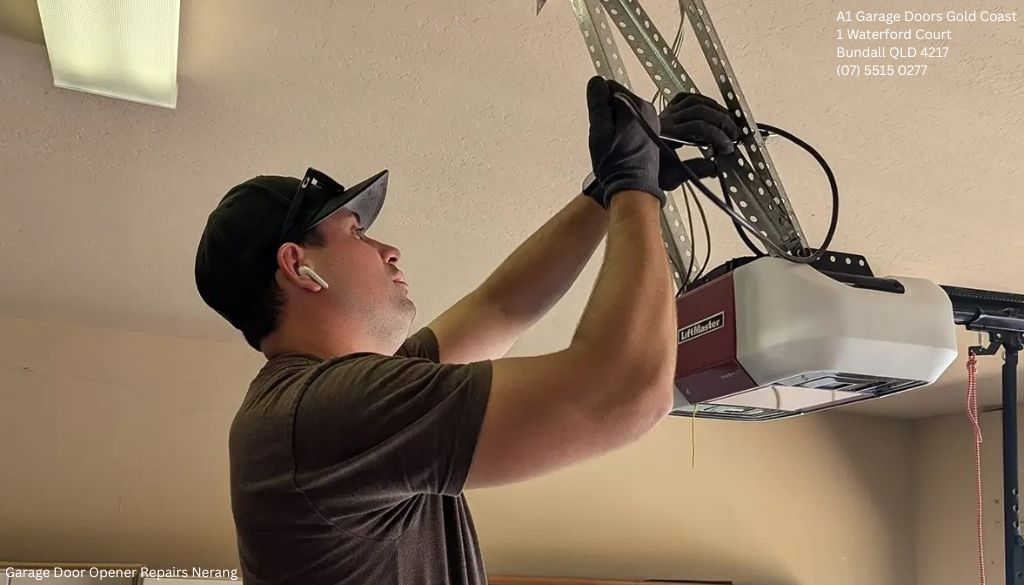
This is one reason homeowners sometimes assume the opener is failing when the opener is really reacting to a door that is no longer moving cleanly. Garage door opener repair can absolutely be necessary, especially because motors and automation components are standard repair items. Gold Coast service companies commonly handle motor replacement, motor installation, remote issues, and automation upgrades for existing doors. Still, a motor problem and an alignment problem can overlap, and separating those two takes judgment.
A door that is out of alignment does not always stop working at once. In many cases, it keeps operating, just less smoothly and with more strain. That is why rough movement matters even before there is a complete failure. The system may be telling you early that something is off.
The signs are often visible before they become urgent
People usually notice alignment trouble in the door’s behavior before they know what to call it. The clues are practical, not abstract. The door https://goldcoastgaragedoorrepair.com.au/southport-qld/ may appear to sit unevenly, travel in a less steady way, or fail to close with the consistency it once had.
If a homeowner says the garage door not closing properly is the main issue, alignment should be part of the conversation. Closing problems do not always start at the opener. They can start with the door’s path, balance, or the way the hardware is wearing over time.
Some of the most common warning signs include:
- a door that looks uneven while moving or when fully closed movement that seems rougher, slower, or less controlled than usual a motor that sounds like it is working harder than it used to repeated problems with the door not reaching a fully closed position visible wear or deterioration in hardware exposed to heat, humidity, or salt air
Those last environmental factors matter more than many people realize, especially in coastal areas. Gold Coast service providers specifically note that salt air, humidity, and heat can affect garage door hardware and increase maintenance needs. That does not mean every rough door has severe corrosion, but it does mean local conditions can shorten the period between “working fine” and “needs attention.”
Smooth opening depends on more than the opener
It is tempting to treat every performance issue as a motor issue because the opener is the most obvious powered part of the system. You press a button, nothing happens correctly, and the opener gets the blame. Sometimes that is fair. Motors, remotes, and automation components are all common service items, and in some cases replacement or upgrade is the right move.
But a healthy opener still needs a door that can travel properly.
When alignment is off, the opener may end up doing more corrective work than it should. That extra effort does not prove the motor caused the problem. It may only prove the motor is the first part to show visible strain. This is where practical diagnosis matters. A garage door opener repair can solve a real issue, but if the door itself is still not tracking or balancing well, the repair may not restore smooth operation for long.
This is one of the more frustrating situations for owners. They address the symptom they can see, only to learn that the door is still jerky, noisy, or unreliable because the underlying travel path was not corrected. That is why experienced service work tends to look at the system as a whole rather than chasing one symptom in isolation.
Alignment and balance are closely related in real-world service
Balance deserves mention here because the verified safety guidance around springs makes it impossible to talk honestly about door movement without acknowledging their role. Springs are under high tension and are dangerous to adjust or repair without proper training and tools. That is not a minor caution. It is a serious safety issue.
A door that is not balanced properly may also appear misaligned in the way it moves. The two problems can feed into each other in ways that are easy to misread from the ground. A homeowner may think the door simply looks crooked, when the real cause involves worn or failed spring components. Spring replacement is a standard garage door repair offering, including in the Gold Coast area, which tells you how common this category of problem is.
There is another important point here. Safety guidance indicates that when one spring breaks, both springs may need replacement because they usually wear in a similar way. Mismatched springs can create balance problems. That matters directly to smooth opening and closing because uneven balance can make the door travel less evenly and put more stress on the rest of the system.
In practice, this is one of the clearest examples of why alignment should not be treated as a purely cosmetic issue. If the door is not moving squarely and smoothly, there may be a deeper mechanical reason behind it, and springs are not a do it yourself area.
Why closing problems tend to get attention first
A door that opens poorly is inconvenient. A door that will not close properly feels more urgent. That is why many service calls start with the complaint that the garage door not closing properly is the immediate problem, even if rough opening has been happening for weeks.
Closing issues stand out because they interrupt routine and create uncertainty. People want the door shut. If it hesitates, reverses, sits unevenly, or appears not to settle correctly, it becomes difficult to ignore.
From a practical standpoint, closing is often when alignment flaws become most obvious. Gravity is helping the door move downward, so the path needs to be consistent and controlled. If the door is traveling unevenly, the final stage of closing can reveal it in a way that opening did not. Homeowners may describe that as sticking, dragging, or not sitting right. They may not know whether the issue lies with the motor, springs, or hardware, but they can tell the movement has changed.
That description is useful. The exact wording matters less than the pattern. A door that repeatedly fails to close properly is giving a clear sign that the system needs attention, and the longer that pattern continues, the more likely it is that secondary wear will follow.
Coastal conditions can make small alignment issues worse
On the Gold Coast, the environment adds another layer to garage door maintenance. Salt air, humidity, and heat are specifically identified by local providers as factors that affect hardware and can increase maintenance needs. That is not a dramatic claim. It is the kind of practical observation that shows up over years of service work.
A door does not have to be on the beachfront to feel those effects. Hardware exposed to coastal air and persistent humidity can age differently than the same hardware would inland. Small changes in wear and movement can accumulate, and when they do, smooth travel often suffers before total failure happens.
This is one reason routine servicing matters. At least one Gold Coast garage door business recommends professional servicing every 12 months to help prevent breakdowns and extend the life of the door and motor. That schedule makes sense because a yearly check gives a technician the chance to spot rough operation, hardware wear, or early alignment concerns before they escalate into a door that binds, stalls, or starts damaging other components.
In my experience, people often wait until the door becomes unreliable enough to disrupt the school run, the commute, or the evening lockup. By then, what might have been a straightforward adjustment or maintenance issue may involve more than one repair area. Preventive attention is not glamorous, but it is usually cheaper than waiting for a failure that affects the motor, springs, and hardware all at once.
What homeowners can reasonably notice, and what they should not touch
There is a difference between observing a problem and trying to correct it yourself. With garage doors, that distinction matters.
A homeowner can absolutely pay attention to changes in movement, sound, and consistency. If the door starts traveling unevenly, sounds strained, or no longer closes cleanly, those are valid observations. They help narrow the problem and make a service call more productive.
What homeowners should not do is treat all garage door issues as safe weekend adjustments. Springs are under high tension and are dangerous to adjust or repair without the right training and tools. If a balance issue, broken spring, or uneven travel appears to involve spring tension, that is not the place for improvisation.
A sensible response looks more like this:
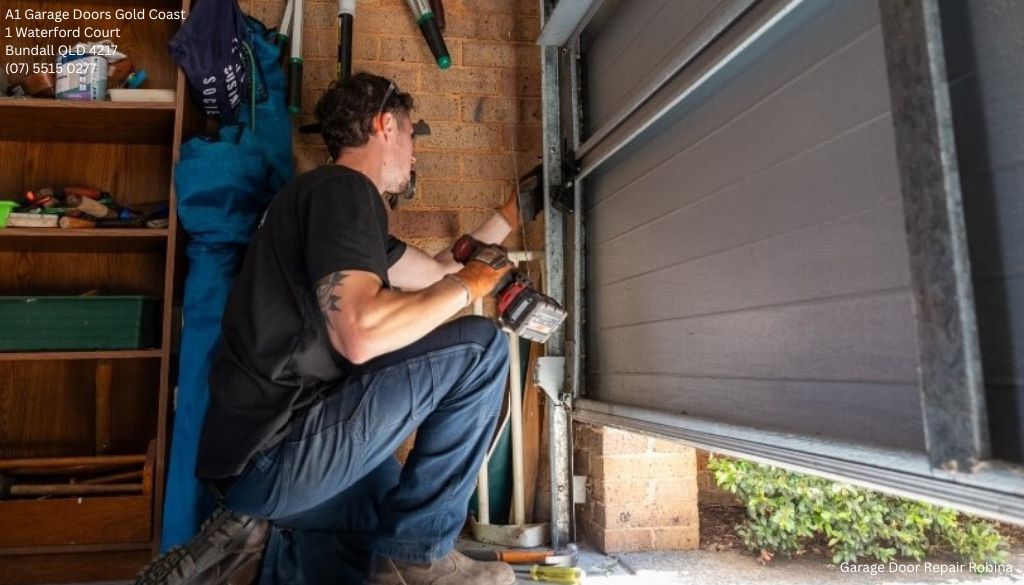
- watch the door operate from a safe distance and note whether the movement appears uneven stop repeated operation if the door is clearly struggling or failing to close properly avoid touching spring components or attempting tension adjustments arrange professional service, especially if the issue seems to involve balance, motor strain, or damaged hardware ask for the whole system to be assessed, not just the most obvious symptom
That last point is worth emphasizing. If you call for garage door opener repair because the motor sounds strained, it makes sense to ask whether the door itself is moving in proper alignment. If you ask someone to fix garage door closing problems, it helps to know whether the door’s balance and hardware condition have also been checked. The best repair outcome usually comes from looking at the relationship between parts, not just replacing whichever component complains loudest.
Repairs, replacement, and the trade-offs involved
Not every alignment-related problem leads to the same repair path. Sometimes the issue is tied to hardware wear and maintenance. Sometimes the opener has genuinely reached the point where motor replacement or a broader automation upgrade makes sense. Gold Coast companies commonly provide those services, which reflects how often door performance issues involve the motor side of the system as well.
The trade-off is simple garage door resource in theory and messy in practice. Replacing a motor can improve convenience and reliability when the motor is truly the weak link. But if the door remains unbalanced or is still not traveling correctly, a new motor alone will not create smooth operation out of a flawed system. On the other hand, focusing only on door movement while ignoring an aging or failing opener can leave you with a door that is mechanically improved but still unreliable in daily use.
That is why good service work often involves a conversation rather than a one-line diagnosis. If the springs are worn, that changes the picture. If one spring has failed, replacing both may be recommended because they tend to wear similarly and mismatched springs can create balance problems. If coastal wear has affected hardware, maintenance needs may be higher than an owner expected. If the motor is struggling after years of service, repair or replacement may be justified. None of those possibilities cancel the others out.
The practical goal is not to assign blame to one part. It is to restore smooth, controlled movement in a way that reduces strain across the whole door system.
Why annual servicing is often the smartest move
Garage doors usually do not fail without warning. They tend to drift into poor performance. The challenge is that slow decline is easy to normalize. A bit more noise becomes the new normal. A rough close gets written off as a one-off. A slight tilt goes unnoticed until the door stops behaving reliably.
That is why professional servicing on a regular schedule has real value. A yearly service, as recommended by at least one Gold Coast provider, gives the system a chance to be checked before the small changes become expensive ones. It also makes more sense in a climate where heat, humidity, and salt air can accelerate wear.
Servicing is not just about preventing dramatic breakdowns. It is about preserving the quality of movement that makes a garage door feel dependable in daily life. A well-maintained door opens and closes without drawing attention to itself. It does not force the motor to overwork. It does not make you wonder whether tonight will be the night it stops halfway down.
For homeowners, that consistency is the real payoff. Smooth movement is not a luxury feature. It is the visible sign that the door is traveling as it should, with the parts sharing the load the way they were meant to.
A straight-moving door is easier on every part of the system
When people talk about garage door alignment, they sometimes imagine a narrow technical adjustment that matters only to specialists. In practice, alignment is one of the clearest indicators of whether the entire system is operating in harmony.
A door that opens and closes smoothly is usually one that is moving in a consistent path, supported by components that are not fighting each other. A door that looks uneven, sounds strained, or keeps failing to shut properly is often telling you that this harmony has been lost somewhere. The opener may be involved. The springs may be involved. Hardware wear may be part of the picture, especially in coastal conditions. Often, more than one factor is contributing at once.
That is why the smartest response is rarely guesswork. If the door is rough, crooked, or repeatedly unreliable, treat that as an early warning. Do not wait for the problem to become dramatic. A prompt inspection can clarify whether you need garage door opener repair, spring replacement, routine servicing, or a broader plan to fix garage door performance before the strain spreads further.
Smooth opening and closing is not accidental. It is the result of a balanced, properly maintained system. Alignment sits at the center of that result, quietly shaping how well every other part can do its job.