A garage door rarely fails all at once. More often, it starts with something small that feels easy to ignore. The door hesitates for a second longer than usual. It makes a dry scraping sound on the way down. The remote works from one spot in the driveway but not another. The bottom edge looks slightly uneven when the door is shut. None of these symptoms seem urgent in the moment, which is exactly why they turn into bigger, more expensive problems later.
That pattern shows up again and again in real service work. A door that is still moving gets left alone because it is technically still working. Then the strain shifts to another part, usually the motor, the hardware, or the balance of the door itself. By the time someone decides to call, what could have been a straightforward adjustment has become a repair visit with multiple faults to sort through.
If you want to fix garage door issues early, the key is not panic. It is attention. Garage doors are mechanical systems, and like any system with moving parts, they give warnings before they fail. Knowing what those warnings look like can help you act sooner, avoid unsafe DIY mistakes, and make smarter repair decisions.
Small problems rarely stay small
A garage door opens and closes under load. Even a modest defect changes how that load is distributed. If the door is slightly out of position, the opener may need to work harder. If the door is unbalanced, one side can drag more than the other. If parts wear unevenly, the extra resistance gets transferred through the system.
That is why a crooked-looking door is not just a cosmetic issue. A door that is off track or sitting unevenly may point to a garage door alignment problem, and alignment issues tend to affect more than appearance. They can influence how smoothly the rollers move, how consistently the door seals, and how much effort the operator needs to lift and lower the panel.
The same is true when a garage door is not closing properly. People often assume the problem is limited to the last few inches of travel, but in practice, an incomplete close can be a symptom rather than the root cause. The issue may be connected to alignment, hardware wear, the motor, or another component that is no longer working in sync.
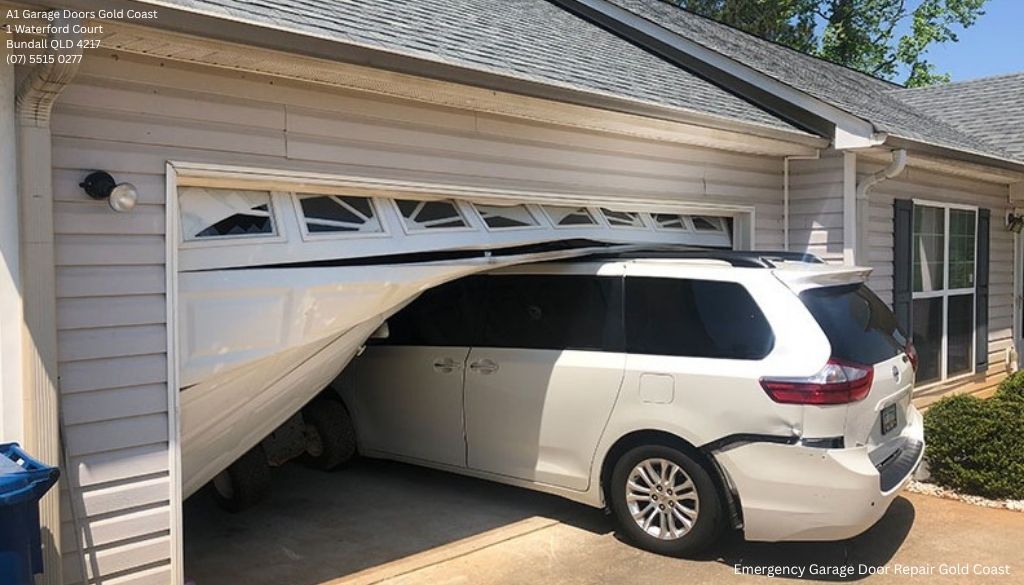
When doors are used several times a day, minor friction adds up quickly. A door that struggles every morning and evening is effectively rehearsing its own breakdown.
What early warning signs deserve attention
Most homeowners do not need to diagnose a garage door with technical precision. They just need to notice when normal operation stops feeling normal. That is often enough to justify a closer look or a service call.
Here are some warning signs worth taking seriously:
The door moves unevenly, jerks, or looks crooked as it travels. The opener sounds louder than usual or seems to strain during operation. The door stops short, reverses unexpectedly, or is not closing fully. The remote or motor responds inconsistently. The door has visible wear around springs, hardware, or moving components.None of these signs automatically means a major failure is coming tomorrow. But each one suggests that the system is no longer operating as cleanly as it should. The earlier that is addressed, the better your chances of avoiding a larger repair.
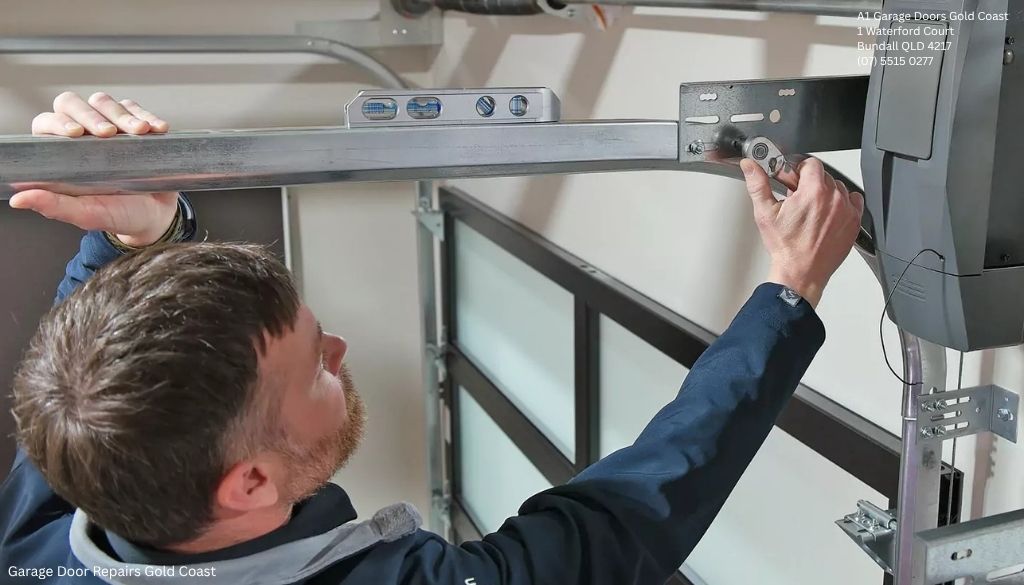
The hidden cost of waiting
People often delay repair because the door still functions most of the time. That logic makes sense on the surface. Why spend money now if the problem has not completely stopped access to the garage?
The trouble is that partial function often masks increasing stress. A noisy opener may not fail immediately, but noise can be a clue that the unit is compensating for drag or imbalance. A door that closes only after a second attempt may keep working for weeks, but each failed cycle adds frustration and wear. A spring nearing the end of its life does not usually send a polite calendar invite before it breaks.
What starts as one issue can lead to another. In service businesses, repairs, servicing, installations, and replacement of parts such as motors, remotes, and springs are all common because garage door systems are interconnected. If one component weakens, the others do not operate in isolation.
There is also a practical cost in timing. A repair handled during a routine service window is usually easier to schedule than a breakdown that traps a car inside or leaves a door unsecured. The more urgent the failure, the fewer choices you have.
Why springs demand respect
Among all garage door components, springs deserve the most caution. They are standard repair items, and spring replacement is a common service offering. They are also dangerous to adjust or repair without the right training and tools because they are under high tension.
That is not a theoretical warning. It is the kind of risk that changes a routine repair into a serious injury if handled casually. People sometimes underestimate springs because they are relatively compact parts in a larger system. But their size has nothing to do with the force they carry.
There is another detail that matters when a spring fails. Because springs generally wear at a similar rate, replacing both springs may be the better course when one breaks. A mismatched pair can create balance problems, and balance problems tend to affect the rest of the door’s movement. That judgment should be made carefully, but the principle is sound. A garage door works best when both sides are operating as a matched system.
This is one of the clearest lines between homeowner observation and professional repair. You can notice symptoms. You can stop using a door that seems unsafe. But spring work is not a casual weekend task.
When the opener is not the whole problem
It is easy to blame the motor when the door misbehaves. The opener is the visible, obvious machine in the setup, and when the door stutters or refuses to close, people naturally think of garage door opener repair first.
Sometimes that instinct is right. Motor replacement and installation are common services, and automation upgrades for existing garage doors are widely offered. Remotes also fail or become unreliable, so electrical and control issues are real parts of garage door service work.
But an opener often reveals trouble elsewhere instead of causing it. If the door is out of balance, binding, or misaligned, the motor may sound like the problem because it is the part working hardest to compensate. Replacing a motor without addressing the underlying drag can leave you with a newer operator attached to the same old resistance.
That is why a good repair approach looks at the whole movement of the door. How straight does it travel. Does it close evenly. Is the noise coming from the opener itself, or is the opener reacting to a mechanical issue lower down in the system. If a garage door is not closing properly, the answer is not always found in the ceiling-mounted equipment.
There is value in resisting the quick assumption that “the opener is dead.” Sometimes it is. Sometimes the opener has reached the point where garage door opener repair or replacement makes sense. But sometimes the motor is the messenger.
Alignment issues are more important than they look
Garage door alignment problems can be deceptive because the first clue is often visual rather than dramatic. One side appears slightly lower. The gap at the bottom is uneven. The door rubs on one side during travel. The movement still happens, just not cleanly.
That kind of misalignment matters because garage doors depend on coordinated movement across several connected parts. If the path of travel is uneven, the rollers, hardware, and opener may all be forced to compensate. That extra effort can turn a minor alignment correction into a broader repair if left alone too long.
Alignment concerns also overlap with the common complaint that the garage door is not closing properly. If the door is approaching the ground at an angle or meeting resistance near the bottom of its run, closure problems may follow. It can look like a fussy motor issue from the driveway when the root problem is mechanical.
One of the more frustrating parts of these faults is that they tend to feel intermittent at first. The door closes fine for three days, then hesitates once, then works again. That inconsistency makes people postpone the call. In my experience, intermittent problems are often the ones that deserve earlier attention, not later. They are the warning phase.
Climate can speed up wear
Location matters more than many homeowners realize. In coastal and humid areas such as the Gold Coast, salt air, humidity, and heat can affect garage-door hardware and increase maintenance needs. That does not mean every door near the coast is heading for immediate trouble, but it does mean the environment is part of the service conversation.
Salt air is not kind to exposed hardware. Humidity can contribute to wear over time. Heat adds its own strain. Even when a door was installed correctly and has worked well for years, local conditions can garage door maintenance services change how often it needs servicing and how closely owners should watch for developing issues.
This matters because people often compare their garage door to one in a different suburb, city, or climate and assume the maintenance schedule should be the same. It may not be. A door exposed to harsher conditions may simply need more attention to stay reliable.
That is one reason annual servicing is a sensible benchmark. At least one Gold Coast provider recommends professional servicing every 12 months to help prevent breakdowns and extend the life of the door and motor. That advice lines up with what experienced technicians generally see in the field. A regular check catches wear before wear turns into failure.
What a sensible owner can do, and what should be left alone
There is a practical middle ground between neglect and overconfidence. Homeowners do not need to become garage door technicians. But they can pay attention, use the door responsibly, and avoid making a bad situation worse.
A useful routine looks like this:
Watch the door open and close occasionally instead of treating it as background noise. Notice changes in sound, speed, or smoothness, especially if they develop gradually. Stop using the door if it looks unsafe, hangs unevenly, or struggles heavily. Arrange professional service when problems repeat, rather than waiting for total failure. Leave spring adjustments and similar high-tension work to trained professionals.That last point cannot be overstated. There are repairs that fall squarely into the category of unsafe without proper tools and experience. Springs sit at the top of that list.
The value of servicing before something breaks
Many homeowners think of service as something you schedule after a fault appears. Preventive servicing gets less attention because it lacks drama. Nothing is broken today, so it feels optional.
But garage door systems reward routine care. A service visit is often where creeping issues are spotted early, before they produce a lockout, a failed close, or damage to connected parts. If your door is used as a main point of entry, that kind of prevention matters even more. Repeated daily use amplifies small problems fast.
Professional servicing is also one of the few moments when the whole system gets evaluated together. Springs, motor function, remotes, movement, and general condition all belong in the same conversation. Since service providers commonly handle repairs, replacement of motors and springs, remote issues, and automation-related work, a good inspection can reveal whether your problem is isolated or part of a bigger pattern.
For many households, the right question is not “Can I get away without service this year?” It is “What am I risking by waiting until the door stops working on a busy day?”
Repair, replace, or upgrade
Not every problem points to full replacement. Often, a targeted repair is enough. Springs are standard repair items. Remotes can be replaced. Motors can be repaired or replaced when needed. Existing garage doors can also be upgraded with automation in some cases.
The right choice depends on the condition of the system, not just the symptom that finally got your attention. If a motor is failing on an otherwise sound door, garage door opener repair or replacement may be the obvious path. If the door has multiple ageing components and recurring movement issues, a broader solution may make more sense.
This is where experienced judgment matters. The cheapest immediate fix is not always the most economical choice over time, but the most expensive option is not automatically the smartest either. A good technician should be able to explain the trade-off in plain terms. What is failing now. What is likely to need attention soon. What can reasonably be repaired, and what should be replaced to avoid repeated callouts.
Clear advice is especially important when one failure exposes wear in a related part. A broken spring, for example, can trigger a wider conversation about balance and matching components, not just the damaged piece itself.
Common scenarios that start harmlessly
A familiar pattern is the homeowner who notices a slight delay in the morning, then forgets about it by lunchtime. Another is the door that still opens normally but refuses to settle fully closed on damp or hot days. Then there is the remote that works only after a second or third press, which gets blamed on habit or bad luck until the inconsistency becomes impossible to ignore.
These situations feel minor because they are survivable. You can still get to work. You can still put the bins away. The garage remains usable, more or less. But survivable is not the same as healthy.
In one common service scenario, the customer calls for what sounds like a remote or opener complaint, only for the deeper issue to be a door that is moving unevenly. In another, the request starts as a “quick fix garage door” enquiry and turns out to involve spring replacement after a visible loss of balance. Those are not exotic failures. They are ordinary examples of what happens when early symptoms are written off as quirks.
A better way to think about garage door trouble
The most useful mindset is to treat changes in operation as information. A garage door is meant to move in a predictable way. When that predictability changes, the door is telling you something. Maybe it needs a simple service. Maybe it needs garage door alignment work. Maybe the opener or remote needs attention. Maybe a spring is near the end of its life.
What matters is responding before the system forces the issue.
That response does not have to be dramatic. It can be as simple as noticing that the door no longer sounds right, that the close is uneven, or that the motor has begun to struggle. Those observations are often enough to prevent the next step in the breakdown chain.
For homeowners in places like the Gold Coast, where salt air, humidity, and heat can increase maintenance demands, that attentiveness matters even more. A door exposed to those conditions benefits from regular professional servicing, and a 12 month schedule is a practical reference point.
Garage doors usually give you a chance to act early. The trick is taking that chance while the repair is still manageable, before a small fault spreads strain through the rest of the system. If your door is hesitating, lifting unevenly, or not closing properly, that is the moment to deal with it, not after it stops on a Monday morning with the car still inside.